It’s morning and the alarm clock rings, we have one eye open and the other still closed, while our little furry heart is, to say the least, fizzy.
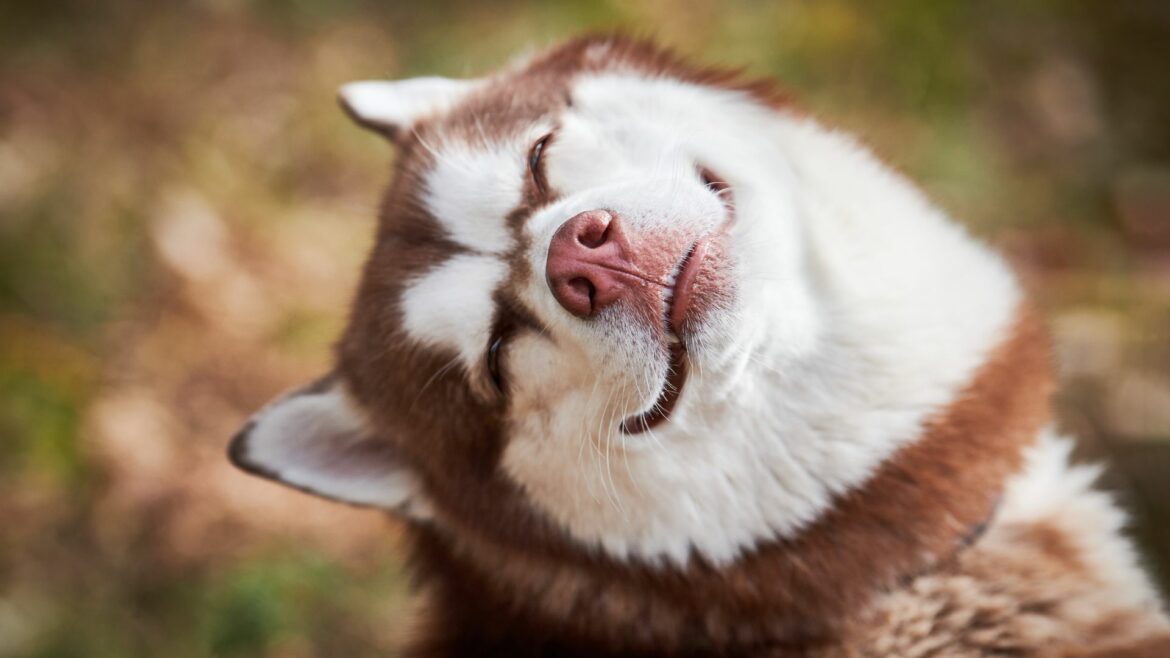
The eyes shine, the tail moves frantically, the little paws lower and everything is ready for the big jump: three, two, one… here comes the morning kiss!
At the moment when the little furry one jumps on our neck and floods us with kisses, we are there, torn between the infinite love we feel toward him and the awareness that his breath resembles more that of a little crazy wild boar.
If this sounds familiar to you, it is important to consider that, beyond the not very fragrant morning kiss, the dog’s oral hygiene is fundamental for his overall health.
That is why how to brush a dog’s teeth and what to do so that his oral hygiene is perfect are the topics of this article.
We talk about it by going deeper into some crucial aspects of the little furry ones’ oral health, also considering one of the most unpredictable factors of the “clean teeth” operation: dogs do not like having their teeth brushed.
There are few (almost none), in fact, the little furry hearts who like or at least tolerate this operation, but the great news is that fortunately there are practical and effective solutions such as the brand new Yuup! Dental Spray, which allows keeping the dog’s and the cat’s mouth clean and healthy without stress.
If you want to know more, keep reading, because today we will see exactly how to clean a dog’s teeth in the simplest way and how to get the little heart used to dental cleaning.
So his teeth can remain healthy and clean and the morning kiss will be an even greater joy to experience every day.
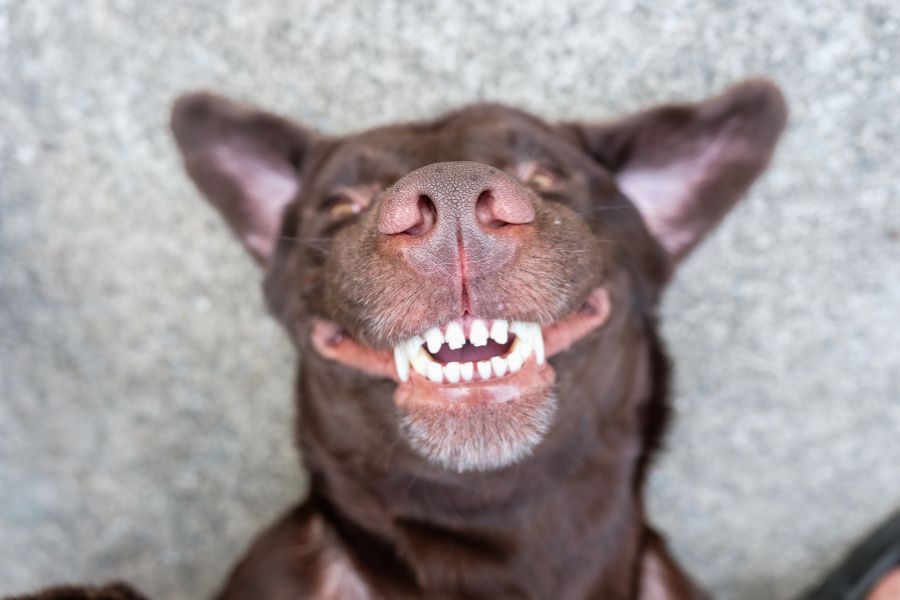
Oral hygiene is essential for the overall well-being of our dogs.
Dog teeth cleaning: why is it important?
Let’s start by saying that, when we talk about the dog’s oral hygiene, the enemies to fight are many and very combative.
These are plaque, tartar on the dog’s teeth and, in general, bad bacteria that can cause problems to the entire oral cavity and also (serious) disorders to our dog’s internal organs.
- Plaque: in the dog’s mouth there are bacteria that, when they mix with saliva and food residues, give rise to plaque, a sticky film that deposits on the surface of the teeth and that must be removed before it turns into the fearsome tartar;
- Tartar: here it is, the culprit of many problems with our little furry one’s teeth. Tartar on the dog’s teeth forms when plaque is not removed and, after a few days, it hardens because it binds to the minerals present in saliva. Tartar can irritate the gums and cause gingivitis (inflammation of the gums), swelling, redness, up to causing tooth loss;
To sum up, the problems that can arise due to poor or inadequate oral hygiene of the dog are:
- Gingivitis: it is the inflammation of the gums that manifests with swelling and redness. In some cases the dog’s gums can become black or in any case take on an intense red colour;
- Periodontitis: it is the next stage of gingivitis in which the periodontal ligament and the alveolar bone can be compromised. In this case tooth loss can occur and bacteria can spread from the mouth to other organs, causing even serious diseases;
- Caries: the good news is that caries is less widespread in dogs than in humans, but this problem can still arise if there is an accumulation of bacteria in the mouth that produce a certain type of corrosive acid for the little heart’s teeth. This leads to a loss of calcium found in the enamel and can cause holes or cavities.
- Stomatitis: it is the inflammation of the mucosa of the oral cavity (tongue, inside of the lips and palate), caused by hypersensitivity to dental plaque.
Good news after so many problems: with adequate oral hygiene for the dog, these disorders, even serious ones, can be prevented.
Moreover, correct oral hygiene improves the dog’s quality of life and, we can say, also his social one, since together with the problems it also prevents the formation of bad breath.
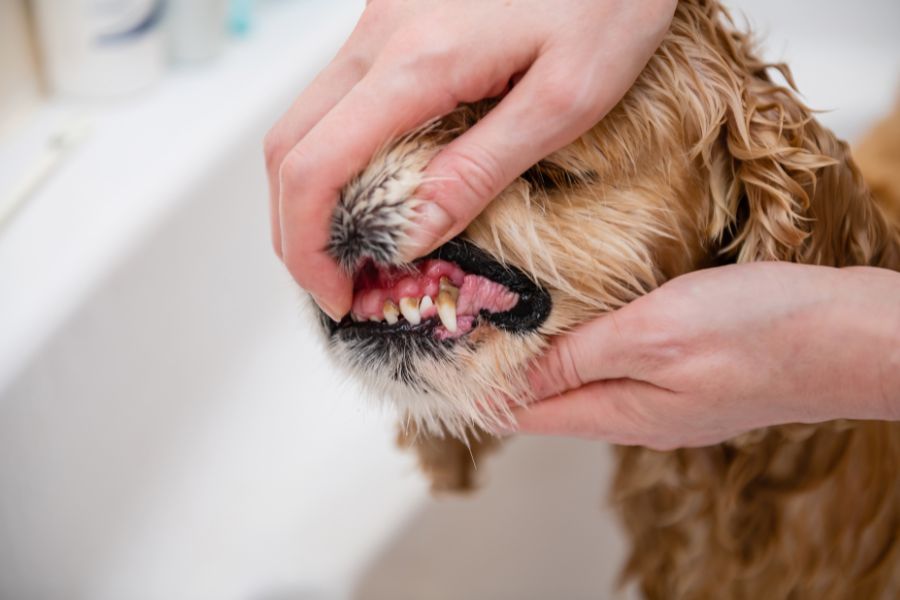
The dog’s teeth with tartar buildup.
How to clean a dog’s teeth at home: methods
Brushing a dog’s teeth can seem like a decidedly complicated matter to tackle, but like all challenges, this one too can be won with preparation and a good method, seasoned with a good dose of patience and extra love.
With the right method, in fact, brushing a dog’s teeth can become a simple and effective habit, especially if there is an alternative to the “classic” toothbrush and toothpaste.
Yes, because until now the dog’s oral hygiene has been understood as a practice the same as what we humans do, namely toothbrush and toothpaste.
Of course, the toothbrush is created specifically for them, in versions with a handle and a finger one, and the toothpaste is formulated with ingredients that may please them (or that at least they can tolerate).
But the little furry ones do not like having their teeth brushed in this way and, probably, they have no intention of liking it in the future.
It happens because it is an invasive practice, which asks them to keep their mouth still and open while we put inside a strange object, which probably irritates and tickles their whole oral cavity.
Even if it is for their own good, brushing a dog’s teeth in this way can be stressful, difficult and, for some little hearts, even impossible.
The great news is that there is an alternative to all this, which avoids putting toothbrushes in the mouth and rubbing the teeth: Yuup! Dental Spray!
Yuup!’s Dental spray toothpaste for dogs is made with natural-origin ingredients that are anti-inflammatory, soothing and with antimicrobial action against periodontal bacteria.
This makes it possible to protect the gums and reduce plaque and tartar, ensuring a fresh and pleasant breath thanks to the natural aromas of mint and strawberry.
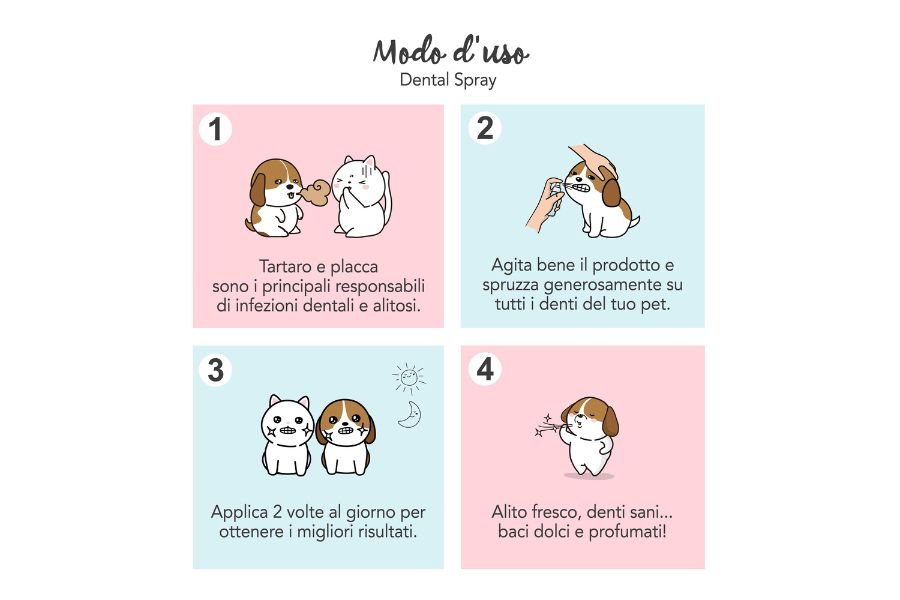
The instructions for cleaning a dog’s teeth with the convenient Dental Yuup! spray toothpaste for dogs.
How to use Yuup!’s spray toothpaste for dogs
Here is how to use Yuup!’s spray toothpaste for dogs!
1. Choose a relaxed moment: nobody, including us humans, likes being touched when we are a bit irritated or tired. So choose a moment when your dog is calm to start the “clean teeth” operation, preferably however after meals;
2. Show the product to the little furry one, let him sniff it, then shake the spray toothpaste and spray it generously on the teeth and gums. There is no need to brush, because the little furry one will distribute it on the teeth with his tongue;
3. Reward the dog with a dose of extra cuddles!

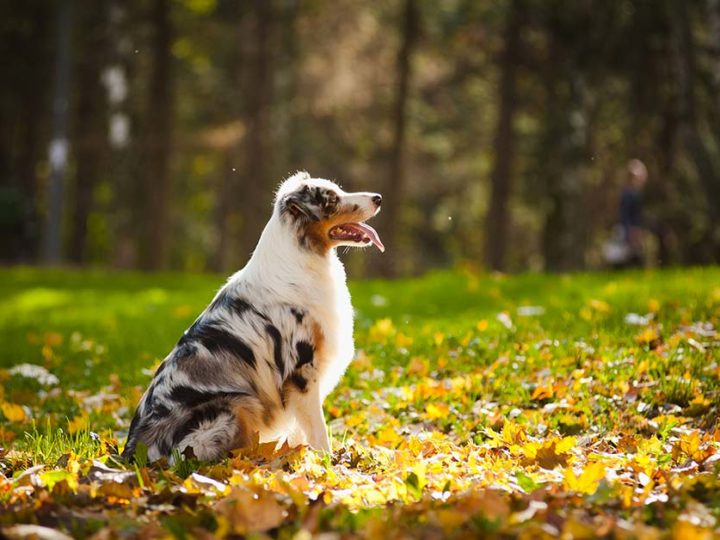
A dog rests on the meadow and shows us his healthy, strong and clean teeth: who can resist this sparkling 42-tooth smile?
How many times to brush a dog’s teeth
Now that we have seen tips for an easier and more effective dog teeth cleaning, we might ask ourselves how many times it is necessary to do it. The answer is twice a day.
The advice, in fact, is to use Dental Spray twice a day, perhaps after the main meals, in order to maintain optimal oral hygiene.
One spray per side is enough, then the little furry one does the rest with his tongue, distributing the liquid over all the little teeth.
In general, small dogs tend to accumulate more plaque and the same applies to dogs that breathe with their mouth open.
Also the habit of chewing objects such as tennis balls, stones or iron bars (if the little heart happened to be kept for a period of his life in a cage) can require more attentive oral hygiene.
In this case it is possible to spray the tooth spray three times a day.
What to do if the dog doesn’t want to have his teeth cleaned?
As we wrote a few lines above, the little furry ones are not fans of the “clean teeth” operation, that is, they do not like having their mouth touched and, in particular, the oral cavity.
This is common in all animals, and if when we approach them dogs close their mouth and clench their jaws, it is a clear sign that they are nervous.
As always, it is necessary to create a positive association, that is, try to convey the message that oral hygiene is a moment that will be followed by a reward.
To do this we can:
- Start gradually, perhaps using small amounts of dental spray and then increasing progressively;
- Keep a firm but calm behaviour, which conveys to the little heart our desire to do him good;
- Once the dental spray has been sprayed, give the little furry one lots of cuddles and, if we want, reward him with a natural dental snack;
Will it be complicated? Certainly Yuup! Dental Spray is a solution that enormously simplifies the task of cleaning the dog’s teeth!
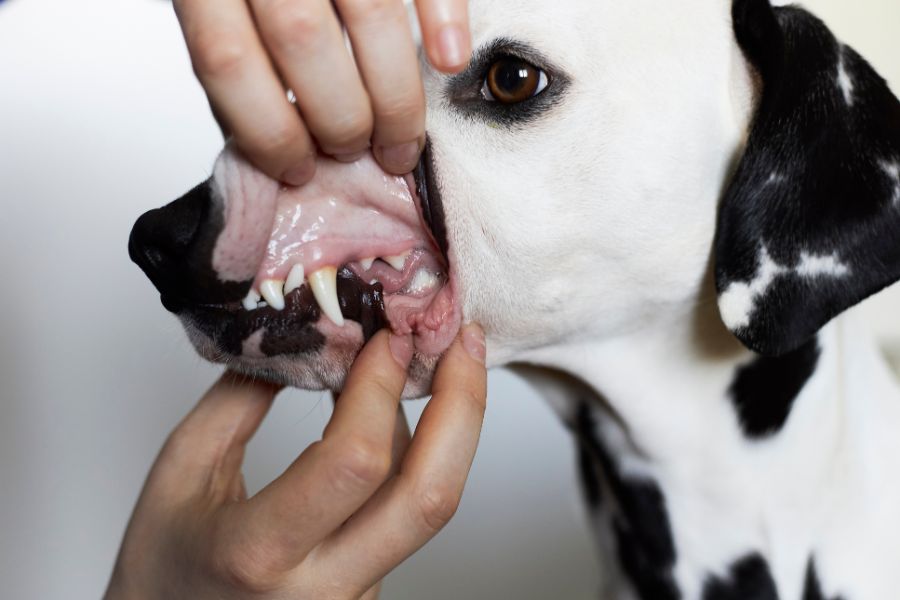
Here are the results of good dog dental hygiene: clean teeth and no tartar!
Dog dental hygiene: how to prevent tartar and bad breath
Now that we have seen how to brush the little furry one’s teeth with the convenient spray toothpaste for dogs, let’s remember that the dog’s oral well-being also depends on other factors. Here, then, is how to safeguard his little teeth, prevent halitosis and, in general, ensure him the well-being and health he deserves:
- Follow a balanced diet and, if you do not know the dog’s needs, ask advice from your trusted veterinarian;
- Choose natural, high-quality snacks that do not attack the teeth or stimulate plaque formation;
- Carry out periodic check-ups at the veterinarian to make sure he is healthy;
- Take care of coat and skin well-being, with specific products for the dog’s cleaning and hygiene.